
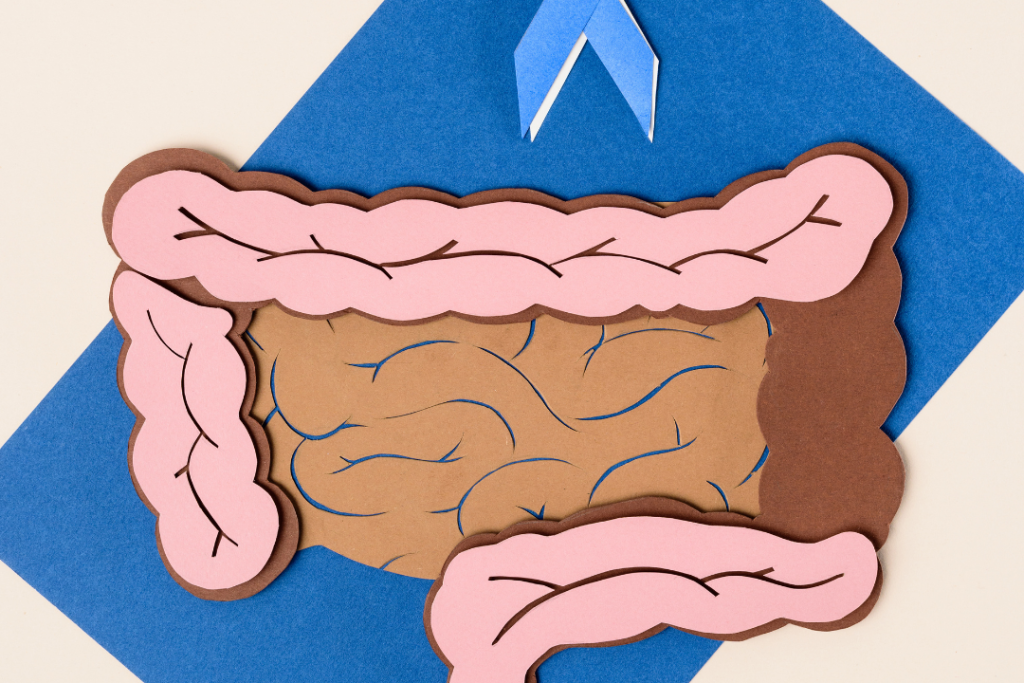
Colorectal Cancer Surgery: Types, Recovery, and What Patients Should Know
Colorectal cancer affects thousands of adults each year, but advances in screening and surgical techniques have made treatment more effective than ever. For many patients, surgery offers the best chance of removing cancerous tissue and preventing future growth. At Surgical Associates, we believe knowledge empowers patients to make confident decisions about their care. Understanding the options for colorectal cancer surgery, along with what recovery looks like, helps reduce uncertainty and supports better long-term outcomes.
Why Surgery Plays a Central Role in Treatment
Colorectal cancer typically begins as a polyp in the colon or rectum. When caught early, surgical removal of the tumor can be curative. Even in more advanced stages, removing as much cancer as possible may improve survival and relieve symptoms. The American Cancer Society notes that surgery remains the most common and effective treatment for many patients diagnosed with colon or rectal cancer.
Surgical Associates uses minimally invasive, laparoscopic, and robotic-assisted techniques whenever appropriate because these approaches often result in smaller incisions, less pain, and quicker recovery times. Every treatment plan is tailored to the patient’s unique diagnosis, health history, and goals.
Common Types of Colorectal Cancer Surgery
Different procedures are used depending on where the tumor is located and how far it has spread. Your surgeon will explain which option is safest and most effective for you.
Local Excision
For very early cancers or large polyps, a surgeon may remove the abnormal tissue from inside the colon or rectum without making external incisions. This method is typically reserved for small, localized cancers that have not spread beyond the surface layers.
Partial Colectomy
One of the most common procedures in colorectal cancer surgery, a partial colectomy removes the section of the colon containing the tumor along with nearby lymph nodes. The healthy ends of the colon are then reconnected. This approach allows for effective cancer removal while preserving normal bowel function whenever possible.
Low Anterior Resection (LAR)
For cancers in the upper part of the rectum, surgeons perform a low anterior resection, removing the diseased section while preserving the anal sphincter. This helps patients maintain bowel control and supports a more typical digestive pattern after healing.
Abdominoperineal Resection (APR)
If the cancer is located very low in the rectum, preserving the sphincter may not be possible. In this case, an abdominoperineal resection removes the rectum and anus, and a permanent colostomy is created. Patients receive extensive education and support so they can manage a colostomy confidently and comfortably. Modern ostomy systems are discreet and allow for full, active lives.
Palliative Surgery
In situations where the cancer cannot be fully removed, surgery may still provide relief from symptoms such as blockages or bleeding. These procedures focus on improving comfort and maintaining quality of life.
Before Surgery: What Patients Should Expect
Preparing for colorectal cancer surgery involves medical evaluations, imaging, and sometimes bowel preparation. Your care team may recommend changes to medications, diet adjustments, or physical conditioning before surgery. These steps ensure your body is ready for the procedure and may shorten recovery time. Resources from the National Cancer Institute offer helpful guidance for patients preparing for different cancer treatments.
On the day of surgery, patients meet with their anesthesia team and surgical staff to review the procedure and ask any remaining questions. Most surgeries require general anesthesia and take several hours to complete, depending on complexity.
Initial Recovery in the Hospital
After surgery, patients are monitored in a recovery unit before moving to a hospital room. Most stay several days so the surgical team can assess healing, manage pain, and monitor bowel function. Walking soon after surgery is encouraged because light movement helps reduce the risk of complications and supports digestive recovery.
Diet typically progresses from clear liquids to soft foods as the digestive system begins functioning again. Some discomfort, gas pains, or temporary bloating are normal during the first few days. Your surgeon will discuss expected milestones and when you are ready to return home.
Recovery at Home
Once discharged, patients continue healing at home for several weeks. Recovery times vary based on the type of surgery performed, whether it was minimally invasive, and the patient’s overall health. Most individuals can return to many daily activities within a few weeks, although full healing takes longer.
During home recovery, patients often notice:
- Changes in bowel habits as the body adapts
- Fatigue, especially in the first two weeks
- Incision tenderness or temporary abdominal soreness
- Diet adjustments, particularly after rectal surgery
Following your surgeon’s instructions is essential. Avoid heavy lifting, strenuous exercise, or long periods of sitting until you’re cleared to resume normal activities. Good nutrition, hydration, and light walking all support healing.
Adjusting to Bowel Function Changes
After colorectal cancer surgery, bowel habits may fluctuate for some time. Patients may experience loose stools, urgency, constipation, or a change in frequency. These changes are normal and often improve gradually. A balanced diet, increased hydration, and guidance from your care team can help regulate bowel function.
For patients who require a temporary or permanent ostomy, specialized nurses provide training and ongoing support. Most patients adapt well and are able to work, travel, and resume typical activities with confidence.
Follow-Up Care and Long-Term Outlook
Ongoing monitoring is an important part of recovery. Follow-up visits allow your surgeon to check healing progress, review pathology results, and discuss whether additional treatments such as chemotherapy are recommended.
Regular colonoscopies and imaging help detect any signs of recurrence early. Many patients return to fulfilling, active lives after treatment, and continued surveillance supports long-term health. With modern techniques and early detection, the outlook for many individuals requiring colorectal cancer surgery continues to improve.
When to Contact Your Surgeon
While most recoveries go smoothly, certain symptoms require prompt attention. Reach out to your surgical team if you experience:
- Fever or chills
- Redness, swelling, or drainage from the incision
- Severe abdominal pain
- Inability to pass gas or stool
- Persistent nausea or vomiting
Early communication helps ensure any concerns are addressed before complications develop.
Moving Forward with Strength and Support
Facing colorectal cancer surgery can be overwhelming, but having a clear understanding of your treatment options and recovery timeline can bring reassurance and confidence. At Surgical Associates, our team is dedicated to providing expert surgical care, personalized guidance, and compassionate support at every stage of your journey. If you or a loved one is preparing for treatment, contact Surgical Associates today to take the next step toward expert care and long-term health.