
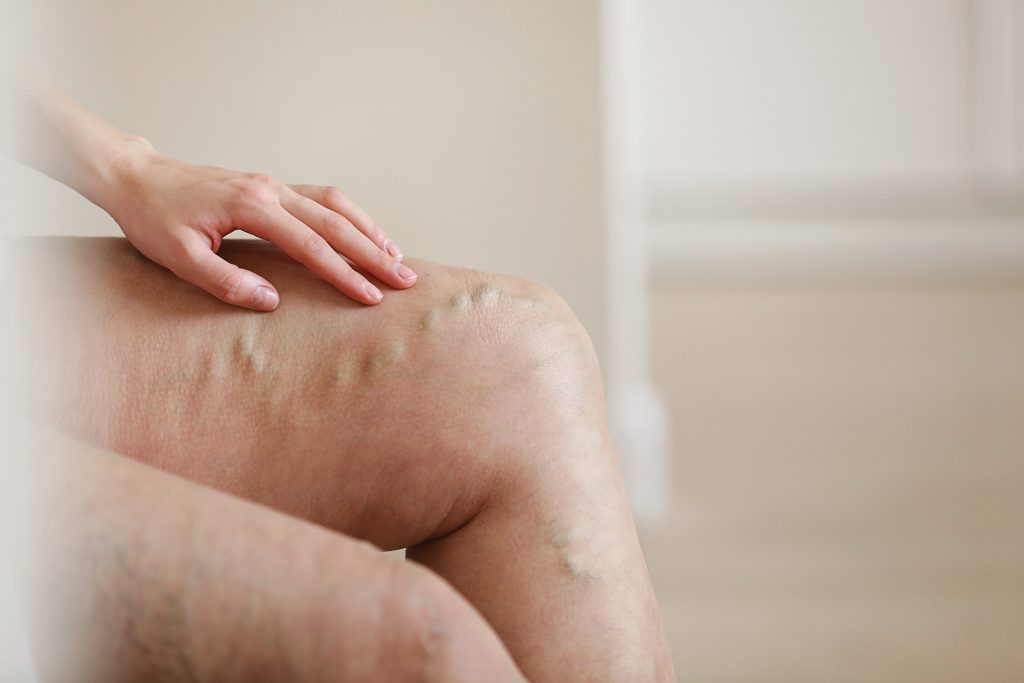
Varicose Veins Causes: Why They Happen and When to Seek Treatment
Varicose veins are a common vascular condition affecting millions of adults. While they often appear as twisted, enlarged veins just beneath the surface of the skin, they can also cause discomfort, swelling, and fatigue in the legs. At Surgical Associates, we frequently help patients understand the underlying varicose veins causes and determine when treatment may be necessary. By recognizing the factors that contribute to varicose veins, patients can take proactive steps to protect their vein health and seek care before symptoms worsen.
What Are Varicose Veins?
Varicose veins develop when the veins that carry blood from the legs back to the heart become weakened or damaged. Inside healthy veins, small valves open and close to keep blood moving upward against gravity. When these valves stop working properly, blood can pool inside the vein, causing it to stretch, twist, and enlarge.
Over time, this pressure leads to visible bulging veins and symptoms such as heaviness, aching, or swelling in the legs. According to the National Heart, Lung, and Blood Institute, vein valve dysfunction is one of the primary varicose veins causes affecting adults today.
Common Causes of Varicose Veins
Although anyone can develop varicose veins, several factors increase the likelihood of the condition. Understanding these causes can help patients recognize risk factors early.
Genetics and Family History
One of the most significant varicose veins causes is heredity. If your parents or close relatives have experienced varicose veins, you may have a higher chance of developing them as well. Genetic factors can affect the strength of vein walls and valves, making some individuals more prone to circulation issues.
Aging and Natural Wear on Veins
As people age, vein valves may weaken and become less effective. The natural aging process can reduce elasticity in blood vessels, allowing blood to collect in the veins. This gradual change explains why varicose veins are more common in adults over the age of 40.
Prolonged Standing or Sitting
Jobs or lifestyles that require long periods of standing or sitting can increase pressure in the leg veins. Teachers, healthcare workers, office employees, and retail workers often spend hours in one position, which may slow circulation and contribute to varicose veins causes over time.
Regular movement and stretching can help support healthy blood flow and reduce this risk.
Pregnancy and Hormonal Changes
Hormonal fluctuations can also affect vein health. Pregnancy increases blood volume and places additional pressure on the veins in the lower body, which can lead to varicose veins. Hormones may also relax vein walls, making them more susceptible to stretching.
While pregnancy-related varicose veins sometimes improve after delivery, they may persist in some individuals.
Excess Weight
Carrying extra body weight places additional pressure on the veins, particularly in the legs and pelvis. Over time, this pressure can weaken vein valves and contribute to the development of varicose veins. Maintaining a healthy weight supports better circulation and reduces strain on the vascular system.
Reduced Physical Activity
A sedentary lifestyle can slow blood flow through the veins. When leg muscles remain inactive for extended periods, they cannot effectively assist the veins in pushing blood back toward the heart. Regular walking and exercise strengthen circulation and help prevent vein-related complications.
Symptoms That May Accompany Varicose Veins
While many people notice varicose veins primarily as a cosmetic concern, symptoms often accompany the visible veins. These may include:
- Aching or heavy sensations in the legs
- Swelling around the ankles or lower legs
- Burning, throbbing, or cramping sensations
- Skin discoloration around affected veins
- Itching or irritation near the veins
These symptoms can worsen after long periods of standing or at the end of the day. When discomfort interferes with daily life, it may indicate that the underlying vein condition is progressing.
When to Seek Medical Evaluation
Understanding varicose veins causes is helpful, but knowing when to seek professional care is just as important. Patients should consider medical evaluation if they experience persistent leg pain, swelling, skin changes, or veins that continue to enlarge over time.
In some cases, untreated vein problems can lead to complications such as blood clots, ulcers, or chronic venous insufficiency. Early evaluation allows healthcare providers to determine whether treatment is needed and recommend the most appropriate option.
Diagnosis and Evaluation
When patients visit Surgical Associates for vein concerns, the evaluation typically begins with a physical examination and a discussion of symptoms and medical history. Diagnostic imaging, such as ultrasound, may be used to examine blood flow and identify malfunctioning valves within the veins.
Ultrasound imaging is a safe and effective way to assess circulation and pinpoint areas where blood may be pooling. The Society for Vascular Surgery highlights ultrasound as one of the most reliable tools for diagnosing vein conditions and guiding treatment decisions.
Treatment Options for Varicose Veins
Modern vein care offers several effective treatments depending on the severity of the condition. In mild cases, lifestyle changes such as exercise, weight management, and compression stockings may help relieve symptoms and improve circulation.
For more advanced cases, minimally invasive procedures may be recommended. Treatments such as endovenous laser therapy, radiofrequency ablation, or sclerotherapy work by closing or removing the affected veins while allowing blood to reroute through healthier vessels. These procedures typically require little downtime and provide lasting symptom relief.
Understanding the underlying varicose veins causes helps guide treatment decisions and ensures patients receive care tailored to their individual needs.
Supporting Healthy Veins
While not all vein conditions can be prevented, certain lifestyle habits support better circulation and may reduce risk. Patients can promote vein health by:
- Staying physically active with regular walking or exercise
- Avoiding prolonged periods of sitting or standing
- Elevating the legs when resting
- Maintaining a healthy body weight
- Wearing compression stockings when recommended
These strategies help support blood flow and reduce pressure on the veins.
Moving Toward Healthier Circulation
Varicose veins may begin as a cosmetic concern, but they can also signal underlying circulation issues that deserve attention. By learning about varicose veins causes, patients can better understand why these veins develop and when treatment might be necessary.
At Surgical Associates, our team is dedicated to helping patients improve vein health through expert evaluation and modern treatment options. If you’re experiencing symptoms of varicose veins or have concerns about your circulation, schedule a consultation with Surgical Associates to explore solutions that support comfort, confidence, and long-term vascular health.