
Beyond Baby Scans: Uses of an Ultrasound in Modern Medicine
Most people first encounter ultrasound during pregnancy — but that’s just one small slice of what this technology does. Ultrasound is one of the most widely used imaging tools in modern medicine, helping doctors see inside the body safely, in real time, and without radiation.
So what exactly is ultrasound used for? Here’s a thorough look at its role across medicine today.
How Ultrasound Works
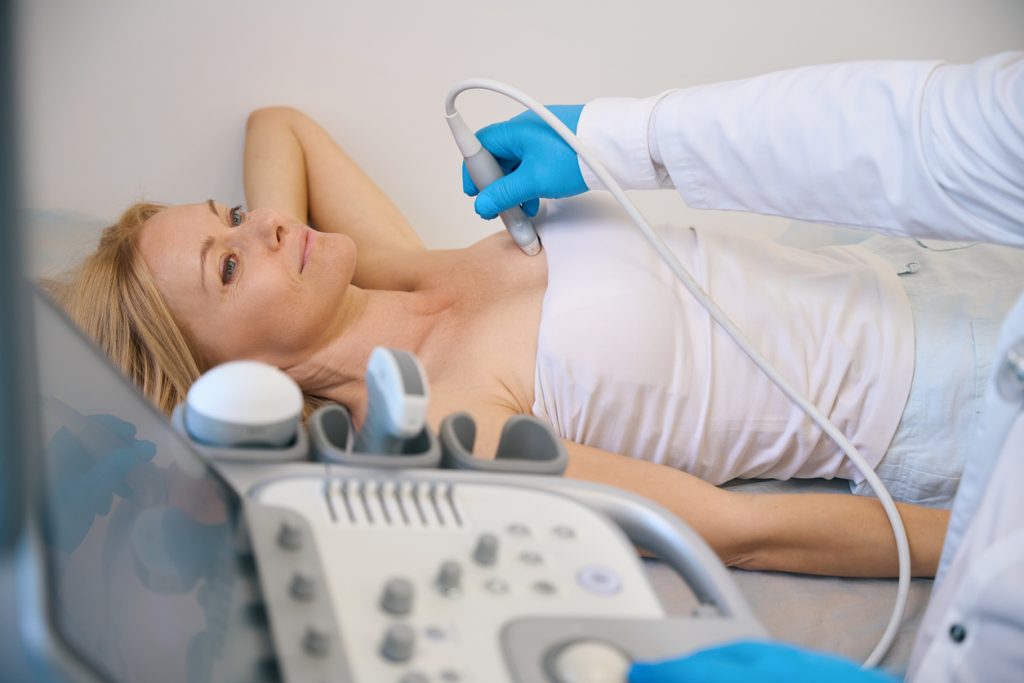
Ultrasound — also called sonography — uses high-frequency sound waves to produce images of organs, tissues, and structures inside the body. A device called a transducer sends sound waves into the body; they bounce off internal structures and return as echoes, which are converted into images on a screen.
Because it uses sound rather than radiation, ultrasound is considered safe for most patients, including pregnant women and those who need repeated imaging over time. It’s also fast, relatively affordable, and effective for evaluating soft tissue — which is why it shows up across nearly every specialty in medicine.
7 Major Medical Uses of Ultrasound
1. Diagnosing Abdominal Conditions
Abdominal ultrasound is often the first imaging step when a patient comes in with unexplained abdominal pain. It can visualize:
- Liver — detecting masses, cysts, or signs of disease
- Gallbladder — identifying gallstones, inflammation, or blockages
- Pancreas — evaluating abnormalities or swelling
- Kidneys — spotting kidney stones, cysts, or structural issues
- Spleen — assessing size and abnormalities
Because it doesn’t involve radiation, it’s a preferred starting point — particularly for patients who may need ongoing monitoring.
2. Evaluating the Heart (Echocardiography)
An echocardiogram is a specialized cardiac ultrasound that produces moving images of the heart in real time. Cardiologists use it to assess:
- How well the heart pumps blood
- The condition of heart valves
- Signs of heart failure or congenital defects
- Fluid around the heart
It’s one of the most important diagnostic tools in cardiology because it shows both structure and function simultaneously.
3. Measuring Blood Flow (Doppler Ultrasound)
Doppler ultrasound is a specific technique that tracks the speed and direction of blood moving through vessels and the heart. It’s used to detect:
- Arterial blockages or narrowing
- Deep vein thrombosis (blood clots)
- Poor circulation in the legs or other areas
- Irregular blood flow patterns around the heart
This real-time view of circulation helps guide treatment decisions in vascular and cardiac care.
4. Guiding Medical Procedures
Ultrasound is commonly used alongside procedures to improve precision and reduce risk. It provides a live view of internal structures, allowing providers to guide instruments exactly where they need to go. Common applications include:
- Needle biopsies (removing tissue samples for lab testing)
- Draining fluid from cavities
- Placing catheters or IVs in difficult locations
- Nerve blocks for pain management
Using ultrasound guidance reduces the chance of complications and improves accuracy compared to performing these procedures without imaging.
5. Diagnosing Muscle and Joint Injuries (Musculoskeletal Ultrasound)
Orthopedic and sports medicine providers use ultrasound to examine soft tissue injuries in real time — including during movement, which other imaging methods can’t offer. It helps diagnose:
- Tendon tears and inflammation
- Muscle strains
- Ligament damage
- Joint effusions (fluid buildup)
This dynamic capability gives providers a clearer picture of how an injury behaves under load, leading to more precise treatment.
6. Women’s Health and Obstetrics
While pregnancy is the most recognized use, ultrasound serves a broader role in women’s health:
- Obstetrics: Confirming pregnancy, estimating due dates, monitoring fetal development, screening for abnormalities, and assessing placental position
- Gynecology: Evaluating the uterus and ovaries to diagnose ovarian cysts, uterine fibroids, ectopic pregnancies, and other conditions
Transvaginal ultrasound — where the transducer is positioned internally — can produce more detailed images of reproductive structures when needed.
7. Therapeutic Uses
Beyond diagnosis, ultrasound can also be used as a treatment tool:
- Physical therapy: Therapeutic ultrasound generates gentle heat in soft tissues, promoting blood flow and reducing pain in muscles and tendons
- High-intensity focused ultrasound (HIFU): A more advanced application that uses concentrated sound energy to heat and destroy targeted tissue, used in certain cancer treatments
Ultrasound vs. Other Imaging: When Is It the Right Choice?
Ultrasound is particularly well-suited for soft tissue, organs, and blood flow. However, it has limitations — sound waves don’t travel well through dense bone or air-filled spaces like the lungs or bowel. In those cases, X-ray, CT, or MRI may be more appropriate.
| Imaging Type | Radiation | Best For |
|---|---|---|
| Ultrasound | None | Soft tissue, organs, blood flow |
| X-ray | Yes | Bone fractures, lung conditions |
| CT scan | Yes | Detailed cross-sections, trauma |
| MRI | None | Brain, spine, detailed soft tissue |
Your provider will recommend the imaging type that best fits your symptoms and clinical situation.
Frequently Asked Questions
Is ultrasound safe?
Yes. Ultrasound uses sound waves, not radiation, and has been used safely in medicine for decades. It’s considered safe for all ages, including pregnant women and infants.
Does an ultrasound hurt?
Standard external ultrasound is painless — a technician applies gel to the skin and moves the transducer over the area. Some internal ultrasounds (such as transvaginal or transrectal) may cause mild discomfort.
How long does an ultrasound take?
Most ultrasound exams take between 20 and 45 minutes, depending on the area being imaged.
What’s the difference between an ultrasound and a sonogram?
They refer to the same thing. “Ultrasound” describes the technology and the procedure; “sonogram” refers to the image it produces.
Need an Evaluation? We Can Help.
At Surgical Associates in Tulsa, ultrasound is one of the tools our team uses to evaluate abdominal conditions — from gallstones to hernias — and guide decisions about your care. If you’re experiencing symptoms and want answers, we’re here to help.
Request an Appointment today!
Recent Posts
- Gallbladder Removal Recovery: Timeline, Diet Tips, and Getting Back to Normal
- Thyroid Disease Symptoms: Common Signs and When to See a Specialist
- How to Prepare for Hernia Surgery: Steps to Take Before
- Beyond Baby Scans: Uses of an Ultrasound in Modern Medicine
- Varicose Veins Causes: Why They Happen and When to Seek Treatment